How to Curate a Space That Screams You (Not IKEA)
We’ve all done it. You start with one piece, maybe a sleek floor lamp or a practical bookshelf, and before you know it, your apartment feels like an IKEA showroom demo on loop. It’s clean, it’s functional, it’s… soulless.
The truth is, mass-market design isn’t the enemy. The problem is when your space looks like it was styled by an algorithm, not a person.
Because your home should feel like a second skin. And while IKEA may offer the bones, only you can breathe life into it.
This is a guide to doing just that, not by spending a fortune, but by turning inward.
1. Start With Obsession, Not Trends
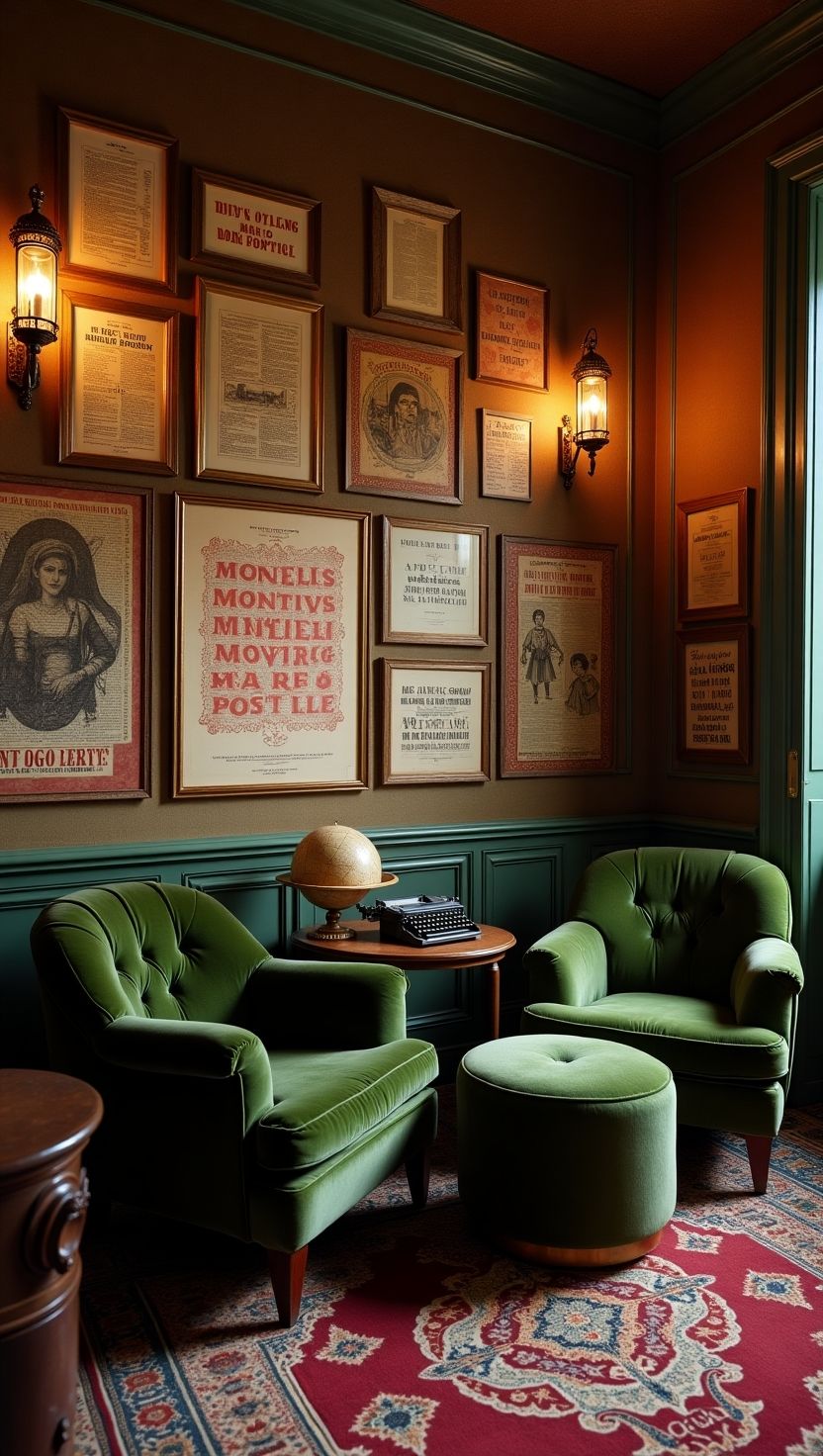
Trends fade. Obsessions linger. When you build a space rooted in what you’ve always loved, not what’s momentarily trending, you unlock something far more magnetic: a visual identity.
Think about it: What colors are always on your radar? What textures do you instinctively reach for? What kind of chairs, photos, or fabrics feel like they’ve been following you across years, not just seasons?
Your obsessions are your design fingerprint.
Instead of googling “current decor styles,” try mining your own digital trail:
- Scroll through your saved Pins and screenshots
- Revisit old Instagram bookmarks or photo folders
- Pay attention to what your eye lingers on
Make a list of what keeps showing up. It might be burnished copper, vintage typography, dusky greens, brutalist objects, or romantic light. That’s your creative compass. Honor it, even if it doesn’t make sense as a “style.” Because style is built from pattern, not permission.
2. Map How You Want to Feel, Not Just How It Should Look
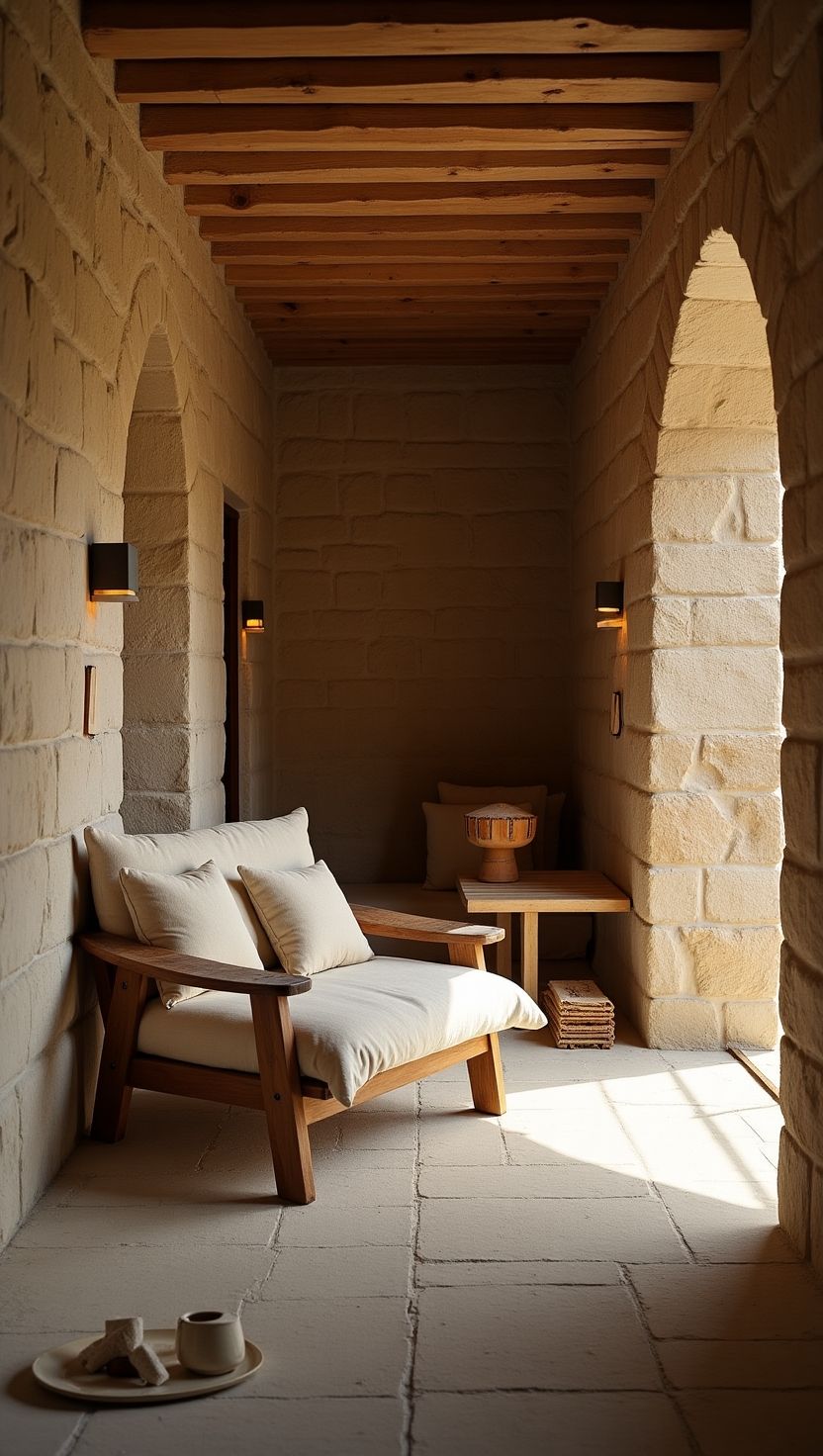
Aesthetic without emotion is just set dressing. But when a space feels like you, safe, stirring, nostalgic, sensual, sharp, it becomes alive.
Designers often say: “Function dictates form.” But what if feeling dictated form instead?
Let’s reframe:
- Don’t ask: “Should this be minimalist?”
- Ask: “Do I want to feel held, awakened, curious, grounded, inspired?”
Feeling unlocks material. Want to feel grounded? Add stone, wood, and low warm light. Want to feel free? Use open sight lines, sheer drapes, and loose textiles. Want to feel intimate? Use objects with patina, framed letters, or hand-thrown ceramics.
3. Choose a Few Objects With Personal Mythology
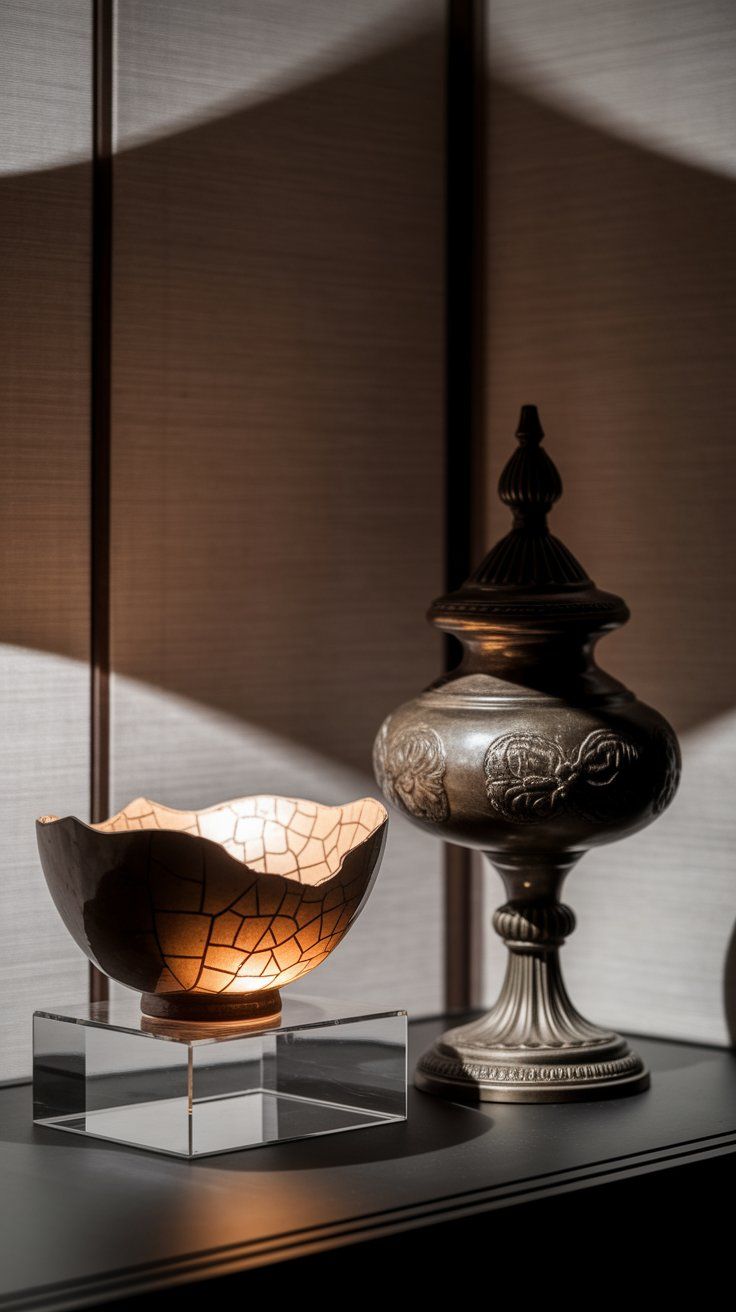
If your space looks “nice” but no one can tell who lives there, that’s a missed opportunity.
The fix? Elevate just a few objects that tell your story. Not everything needs a backstory, but 5–7 meaningful pieces, placed with care, can shift a room’s whole energy.
Your object mythology might include:
- A chipped ceramic bowl from a trip
- A framed ticket stub or postcard
- A lamp inherited from a relative
- That weird sculpture you bought on a whim and never regretted
- A print you made, even if no one else gets it
These are not decor. They’re plot points. They carry memory, mystery, and you.
Curate them like mini monuments, not just thrown on a shelf, but given room to breathe. The idea is not to clutter. The idea is to spotlight. Let these objects do what mass-produced ones can’t: reveal presence.
4. Break the Layout Mold
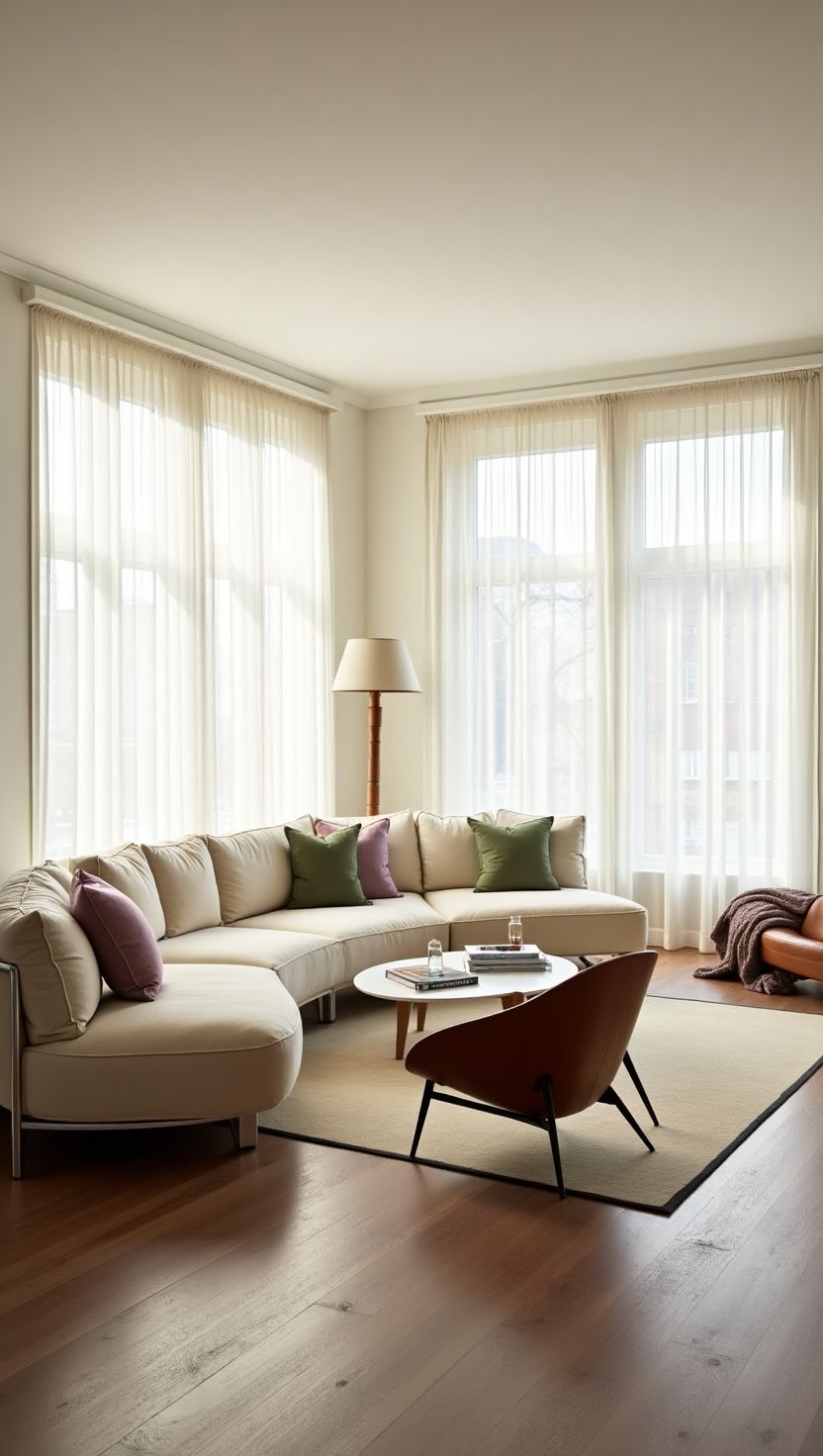
Most layouts don’t honor how people actually live, they’re optimized for product photography.
Instead of defaulting to the “sofa-wall-TV” formula, rethink the flow of your space:
- Float your sofa to define a zone rather than hugging the walls
- Angle a chair toward a window instead of the television
- Leave corners open for quiet, unconventional uses, like floor lounging or sketching
Use layout like choreography. The goal isn’t symmetry, it’s rhythm. Create paths, pauses, and pockets of presence.
You’re not designing a showroom. You’re designing a day-in-the-life.
5. Use Contrast to Signal Personality
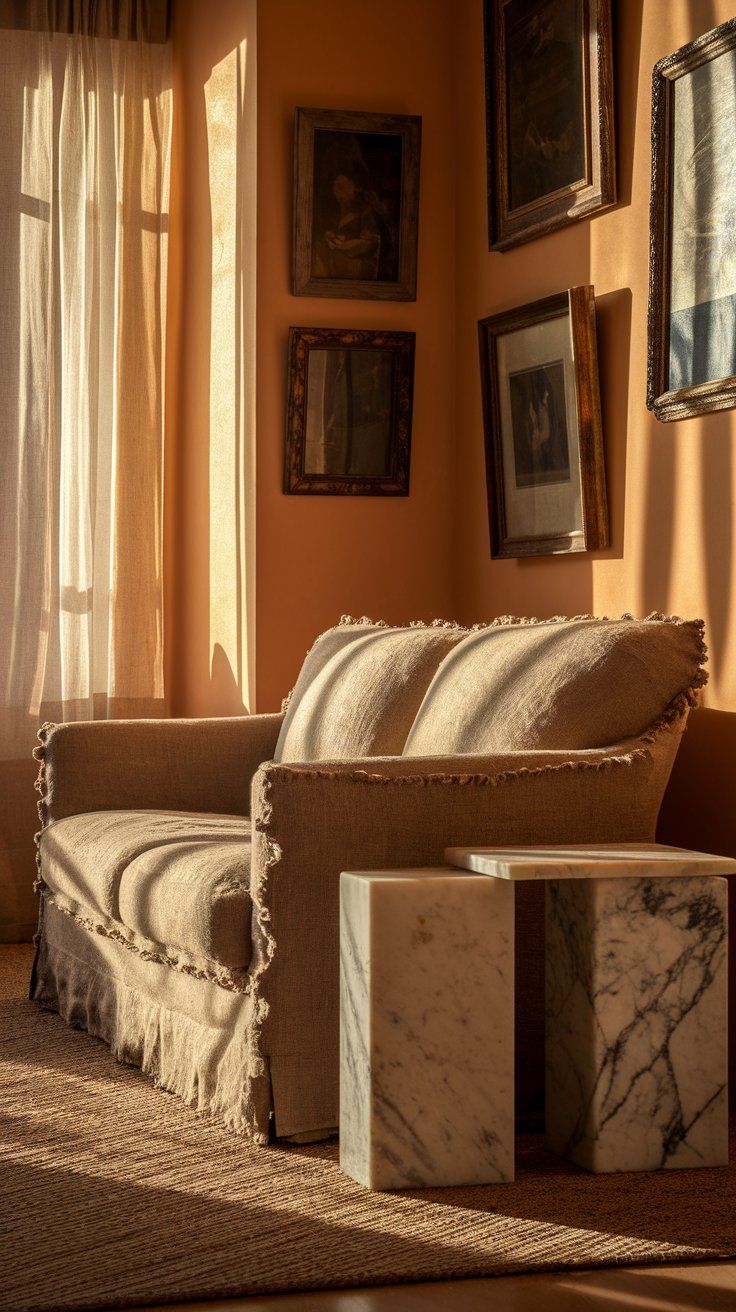
Matching sets are easy to buy. But contrast tells a story.
Here’s how to create visual tension with intention:
- Mix textures: rough linen with polished marble
- Pair eras: vintage art above a modern bench
- Layer moods: calming base tones with a jarring pop object
When everything matches, it’s forgettable. When materials and styles collide thoughtfully, it becomes unmistakably yours.
It’s not about chaos, it’s about deliberate friction that adds depth and emotion.
6. Let Color Be an Opinion
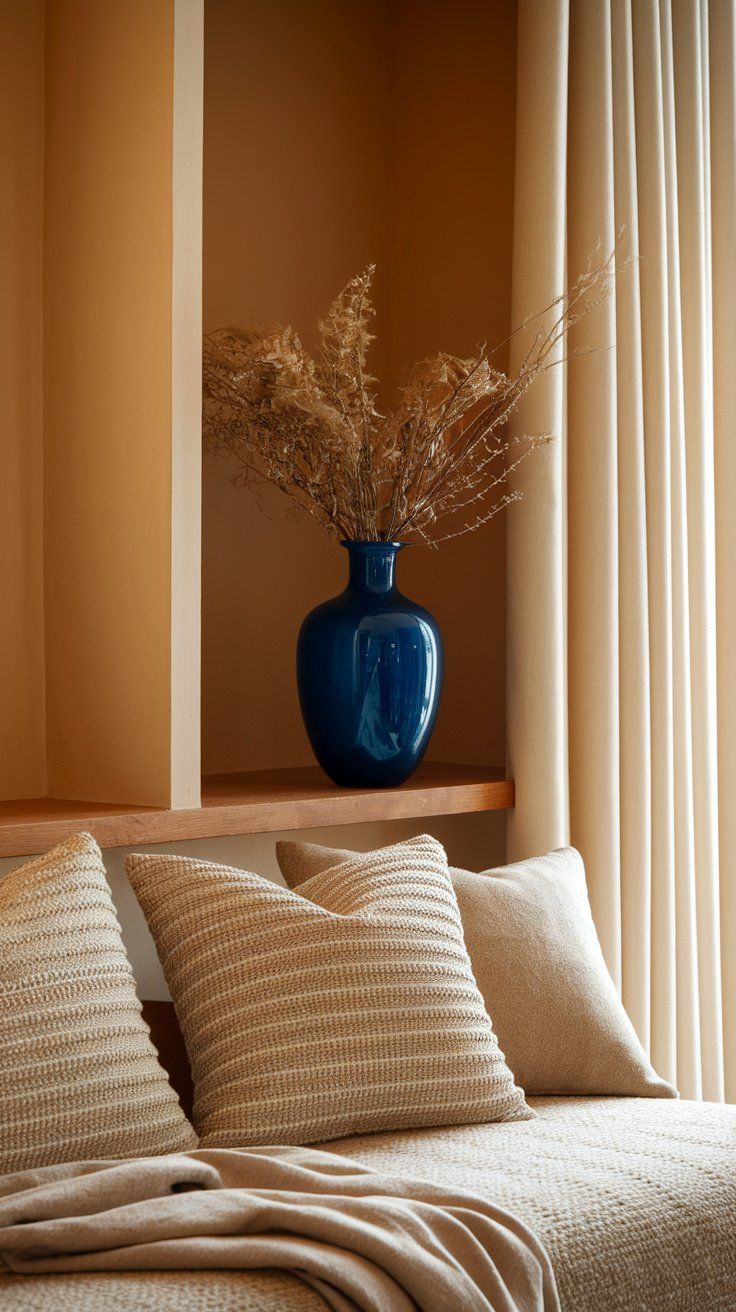
Color is more than mood, it’s memory, identity, and presence.
Use it like punctuation:
- One cobalt vase on a neutral shelf
- A burnt orange chair that cuts through soft taupes
- Deep green curtains that feel like a forest at night
Don’t flood the space, place color with clarity. It should feel like a statement, not a scheme.
Forget color theory. Choose a color that gives you a feeling, and let it live in the room like a signature.
7. Style to Suggest, Not Show

You don’t have to display every object you own to tell your story, in fact, it’s stronger when you don’t.
The most soulful spaces whisper instead of shout. They suggest a life in motion:
- A half-burned candle
- A folded map on a desk
- A half-finished puzzle or sketchbook
- One shoe slightly askew by the door
These are details that say: “Someone lives here. And they’re still becoming.”
Curate spaces that leave room for interpretation. You don’t need to explain everything. Leave something behind for the imagination to wander through.
Let your space feel like a story mid-sentence.
8. Create Ritual Points
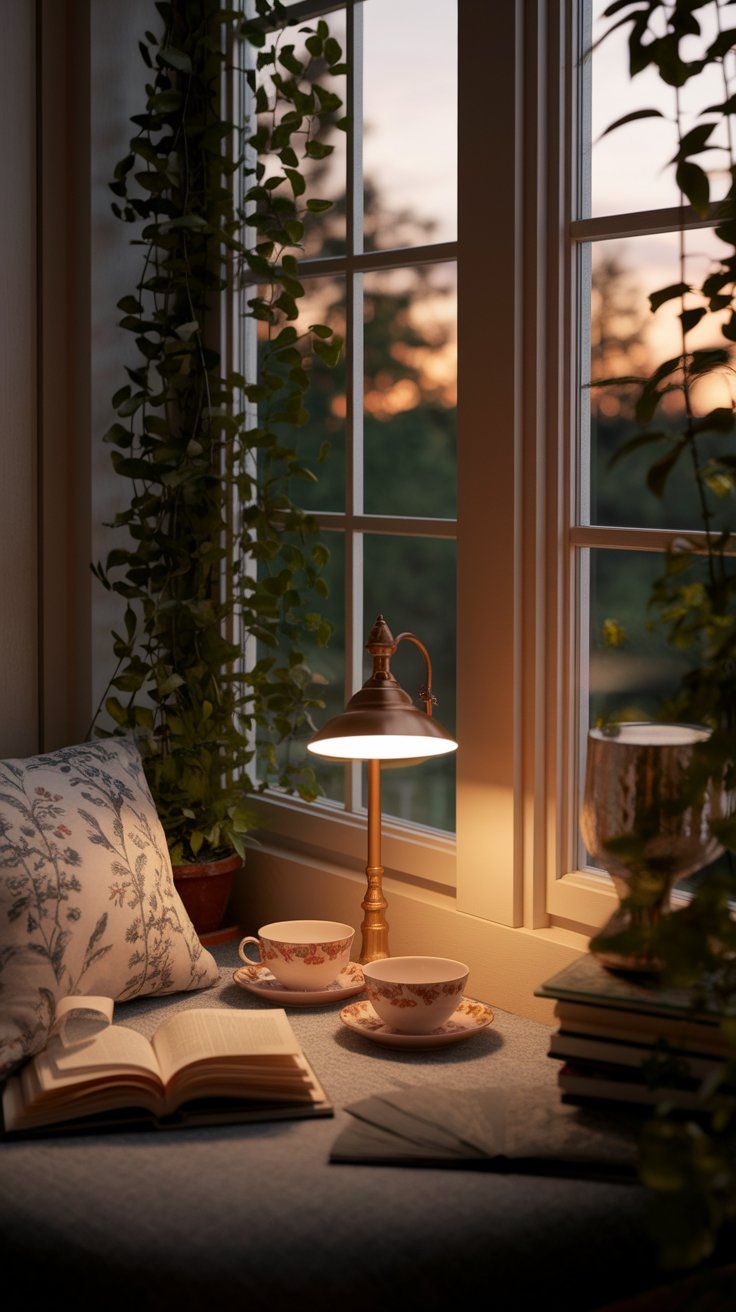
Not everything has to serve a utility. Some spaces should serve a feeling.
Think of small styling moments that support how you want to experience your day:
- A tea corner near the window
- A reading light you always turn on at dusk
- A small framed photo that you see as you leave the house
- A console with incense or oil you light when returning home
These aren’t decor. They’re emotional cues. When you anchor rituals in space, your home starts to hold you, not just house you.
9. Don’t Finish It
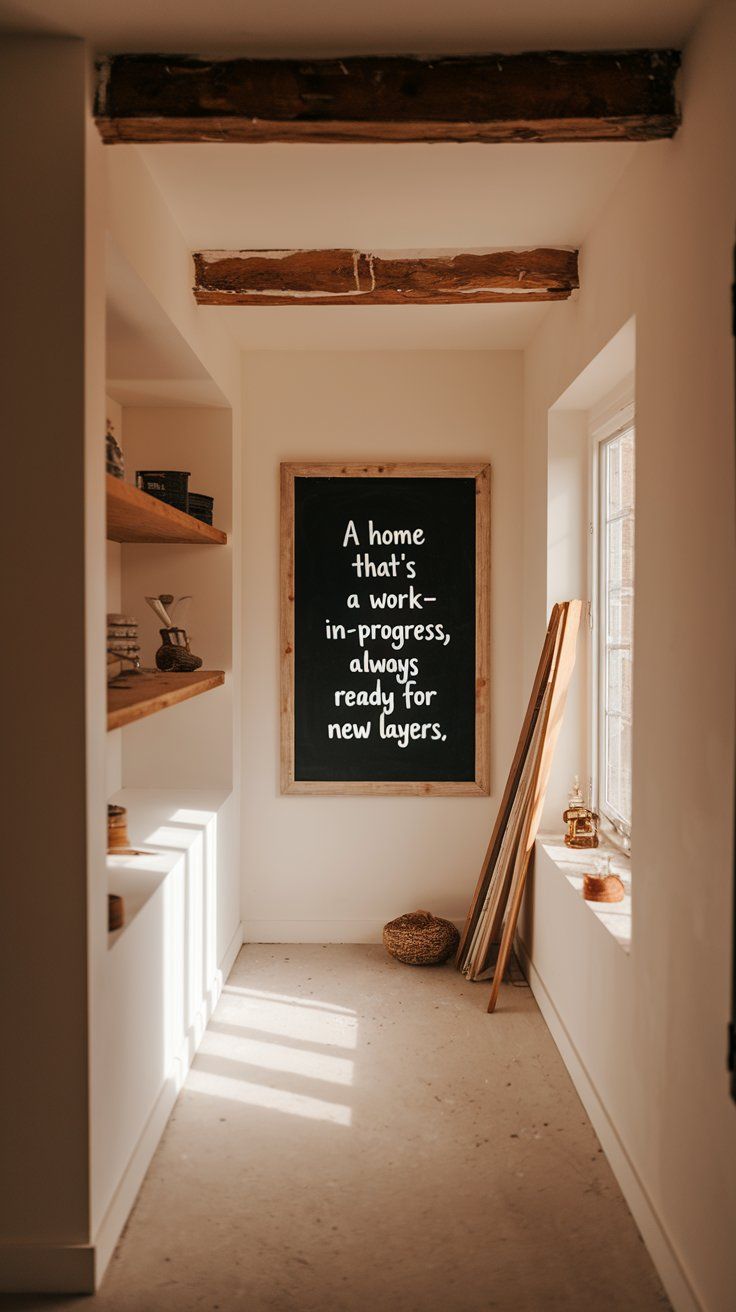
The most magnetic homes feel alive, layered, evolving, a little bit undone.
You don’t need to style every surface or fill every wall. In fact, that can flatten the personality of a space. Leave white space. Leave the weird corner. Let some shelves breathe.
Treat your space as a sketch, not a final draft. Keep adding, removing, rediscovering.
Because when a space stops changing, it stops speaking.
Conclusion: Make Your Space a Mirror, Not a Mold
When your home looks “nice” but doesn’t feel like you, it’s not a design problem, it’s a story gap.
The goal isn’t to reject IKEA or any brand. It’s to layer over the basics with your obsessions, rituals, and contradictions. To build a space that doesn’t just look good in photos but feels like a living mood board for who you are and who you’re becoming.
Forget perfect. Forget finished. Focus on honest.
Because when someone steps inside and says, “This feels so you,”, that’s the real gold.
Frequently Asked Questions
How do I start if I have mostly mass-produced furniture?
Keep the IKEA bones, just add your own skin. Use personal objects, vintage finds, art with emotional value, or lighting rituals to shift the tone. Authenticity doesn’t need a full replacement plan, it needs intention layered on top.
What if I don’t know what my style is yet?
Don’t force a label. Start by collecting what moves you, imagery, textures, colors. Patterns will emerge. Think less about defining your style and more about discovering your themes over time.
How do I stop my space from looking staged?
Show imperfection. Let books pile, candles melt, art lean casually against walls. It’s the lived-in details that give a room pulse. Think poetry, not showroom.
What’s a quick way to personalize a blank room?
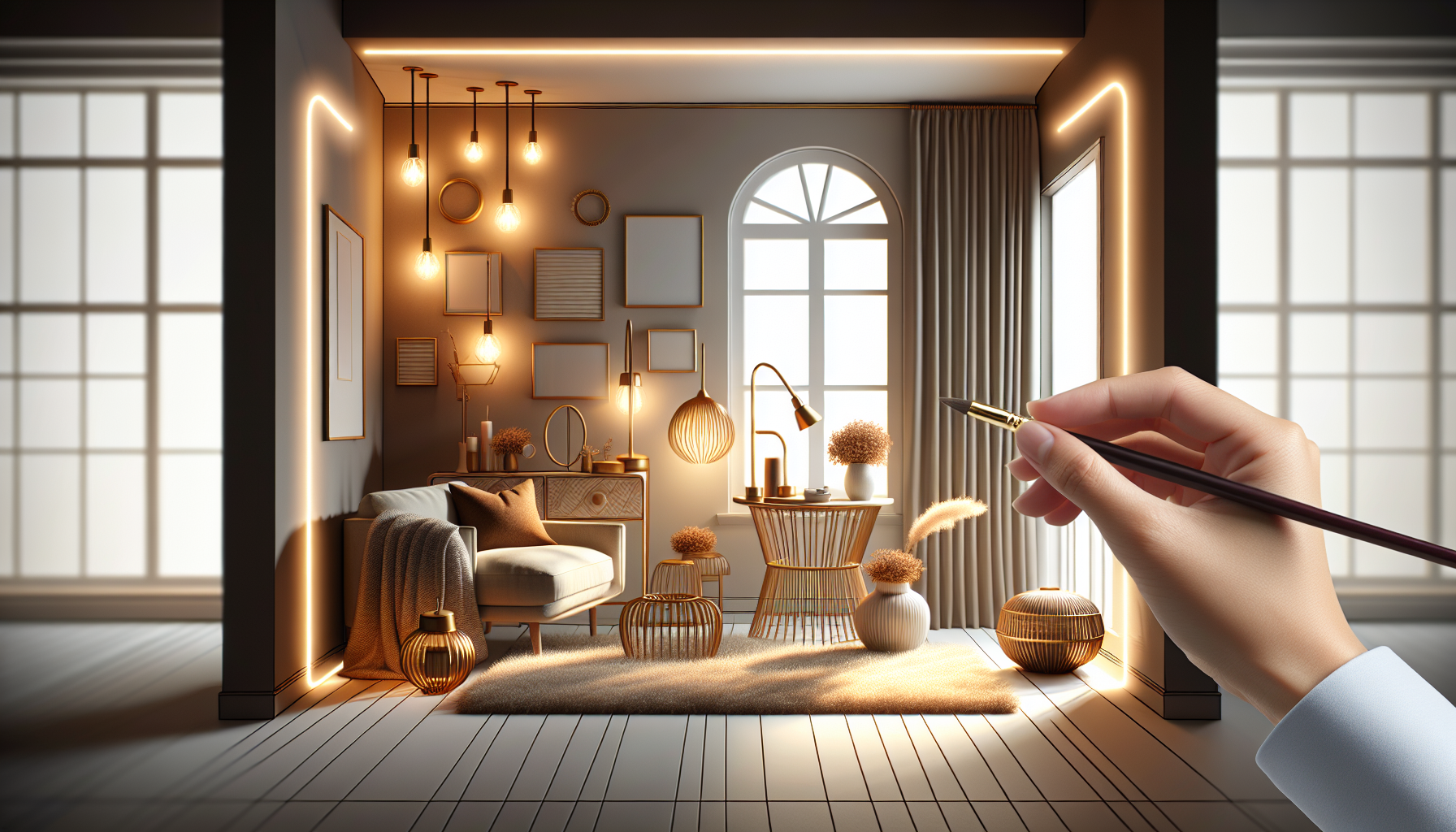
Start with one emotion and one object that supports it. Want calm? A dim corner lamp and a soft rug. Want intrigue? A strange sculptural piece on an otherwise clean shelf. Small, symbolic moves make big impact.