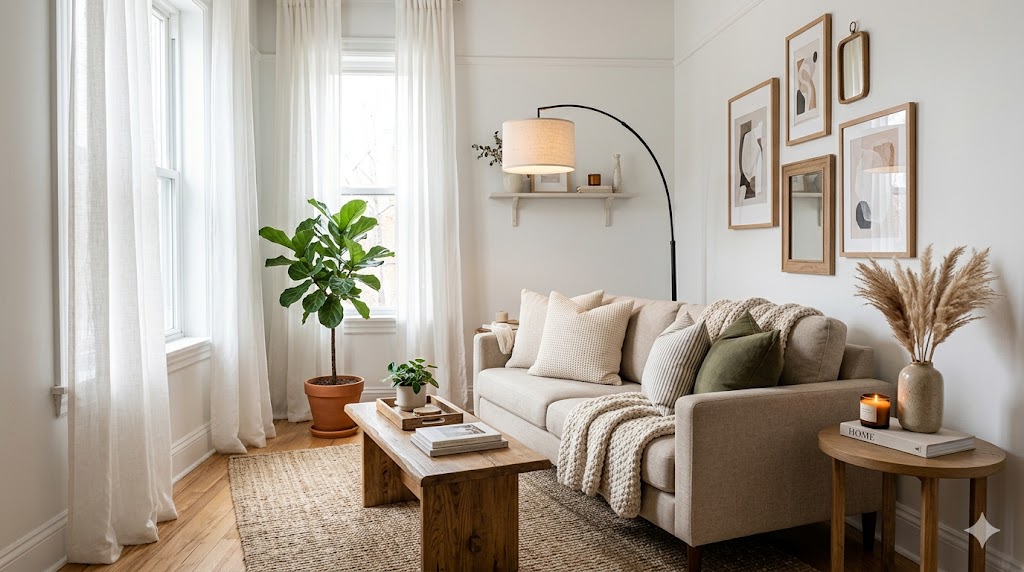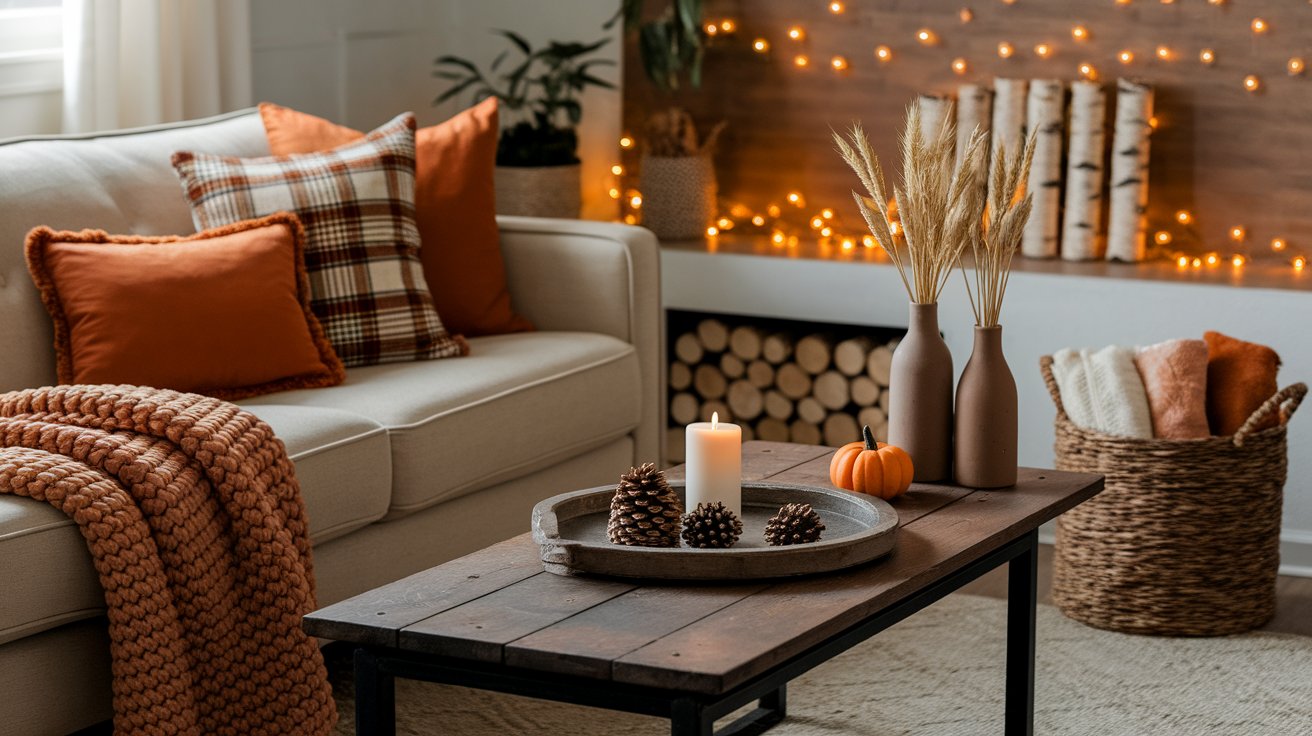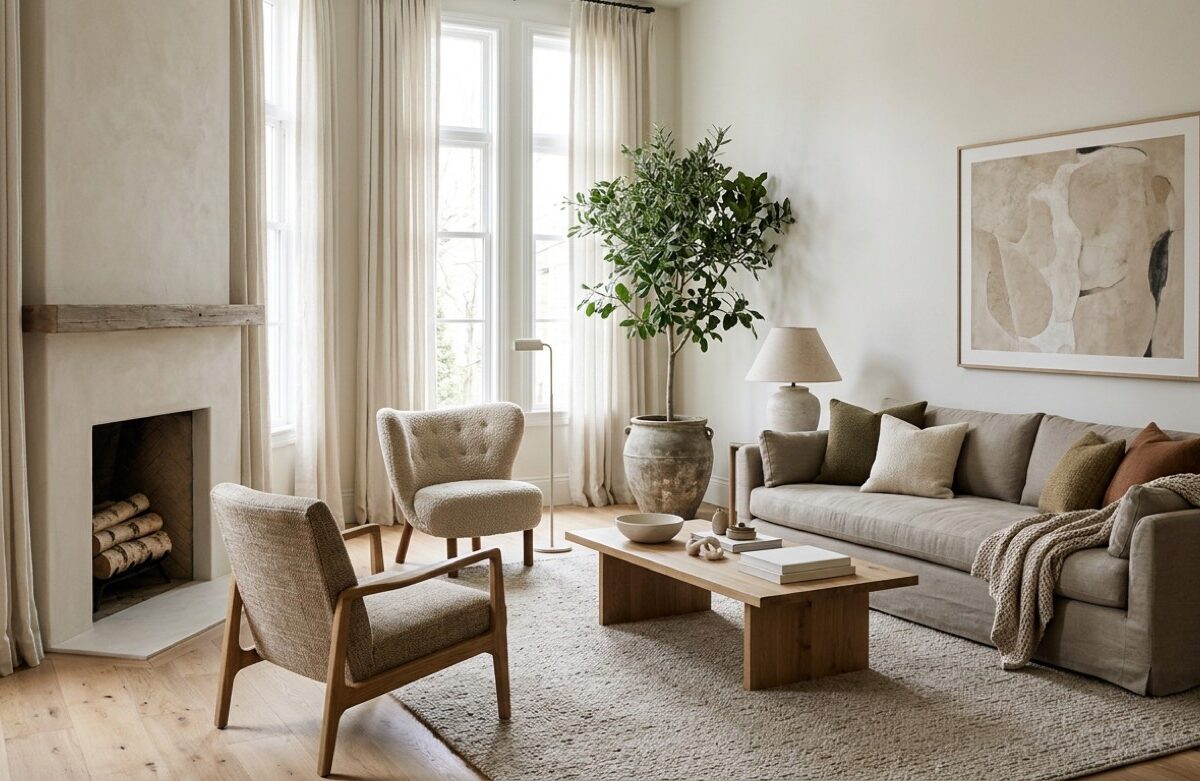
Starting a living room from scratch, or from a room full of mismatched pieces, can feel overwhelming. Where do you even begin? The answer is a simple order of steps that designers follow, from the big decisions to the finishing touches. This guide shows you how to decorate a living room step by step, so every choice builds on the last and the room comes together naturally.
Quick answer
To decorate a living room, start by deciding how you use the room, measure and plan the layout around a focal point, choose the sofa and rug first, pick a color palette of two or three colors, add seating and tables, layer lighting at three heights, hang curtains high and wide, then finish with art, pillows, throws, plants and books.
How to decorate a living room, step by step
Step 1. Decide how you use the room
Is it for movie nights, conversation, reading, kids’ play or all of the above? Your answer decides the layout, the seating and the storage you need. Write down the three main activities before you buy anything.
Think about who uses the room and when. A room for evening movies needs lamps and comfortable seating, while a family room needs washable fabrics and storage for toys.
Step 2. Measure and plan the layout
Measure the room, windows, doors and outlets. Choose one focal point, such as the fireplace, a window or the TV, and plan seating around it. Keep a 30 inch walkway and about 18 inches between the sofa and coffee table.
Mark furniture sizes on the floor with painter’s tape to test the plan before you buy.
Step 3. Choose the sofa first
The sofa is the largest and most used piece, so choose it first. Pick a size that fits the room with space to walk around, and a neutral color that will last through changing pillows and throws.
Sit-test if you can, and check the seat depth and height. Performance fabrics are a smart choice for homes with kids and pets.
Step 4. Choose a rug large enough
The rug should be large enough for at least the front legs of every seat to sit on it. In most living rooms that means 8 by 10 feet. A rug that is too small is one of the most common mistakes.
Choose a neutral or softly patterned rug that works with the sofa. You can always add color through pillows and art later.
Natural fibers like wool and jute wear well.
Step 5. Pick a color palette
Choose two or three main colors from the sofa and rug, plus one accent. Repeat them in pillows, curtains and art so the room feels cohesive.
Look at the fabrics and finishes you already own for inspiration. A simple rule is 60 percent main color, 30 percent secondary color and 10 percent accent.
Collect samples and photos in one place so you can see how they work together.
Step 6. Add chairs and tables
Add one or two accent chairs, a coffee table and side tables within reach of every seat. Mix materials, such as a wood coffee table and a metal side table, for interest.
Make sure every seat has a surface within reach for a drink or a book. Leave about 18 inches between the sofa and coffee table.
A storage ottoman can double as a coffee table in small rooms.
Step 7. Layer the lighting
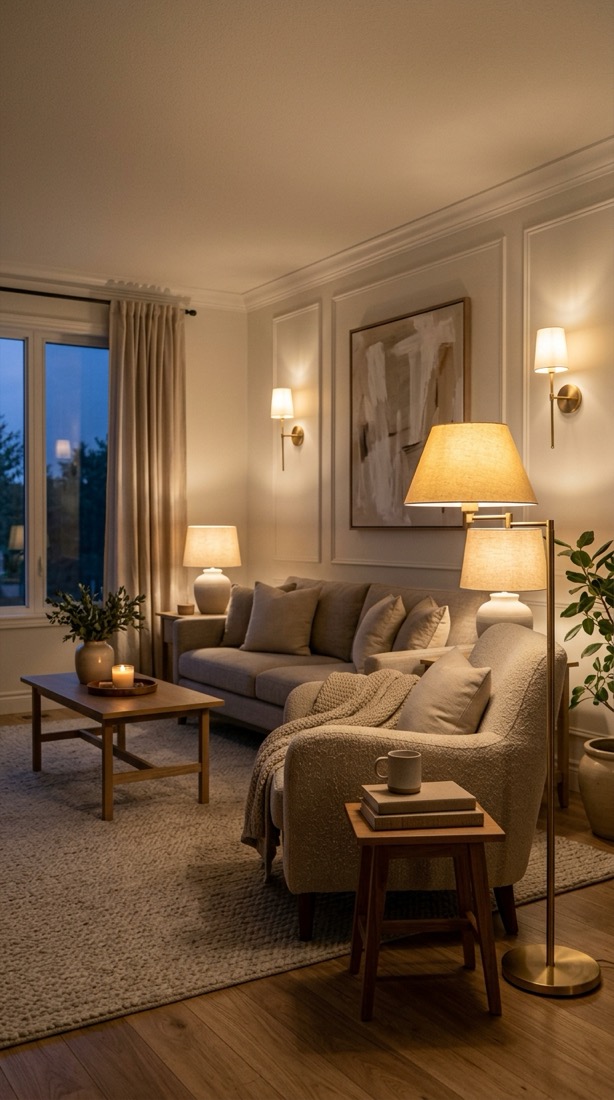
Use light at three heights: a floor lamp, table lamps and sconces or candles. Use warm white bulbs and avoid relying on the ceiling light. The plug-in swing arm wall sconces plug in, so they work in rentals.
Place a floor lamp beside a reading chair and table lamps on side tables.
Step 8. Hang curtains high and wide
Hang curtains near the ceiling and extend the rod past the window frame so the room feels taller and the windows bigger. The Kwik-Hang no-drill curtain rod brackets need no drill.
Choose curtains that just touch the floor and panels about twice the width of the window.
Step 9. Add art and mirrors
Hang one large piece above the sofa, with the bottom 8 to 10 inches above the sofa back, or a gallery wall. A mirror opposite a window bounces light. Command large picture hanging strips hold most frames without nails.
Choose art that suits the size of the wall, and keep frames consistent for a calm look.
Step 10. Finish with textiles, plants and books
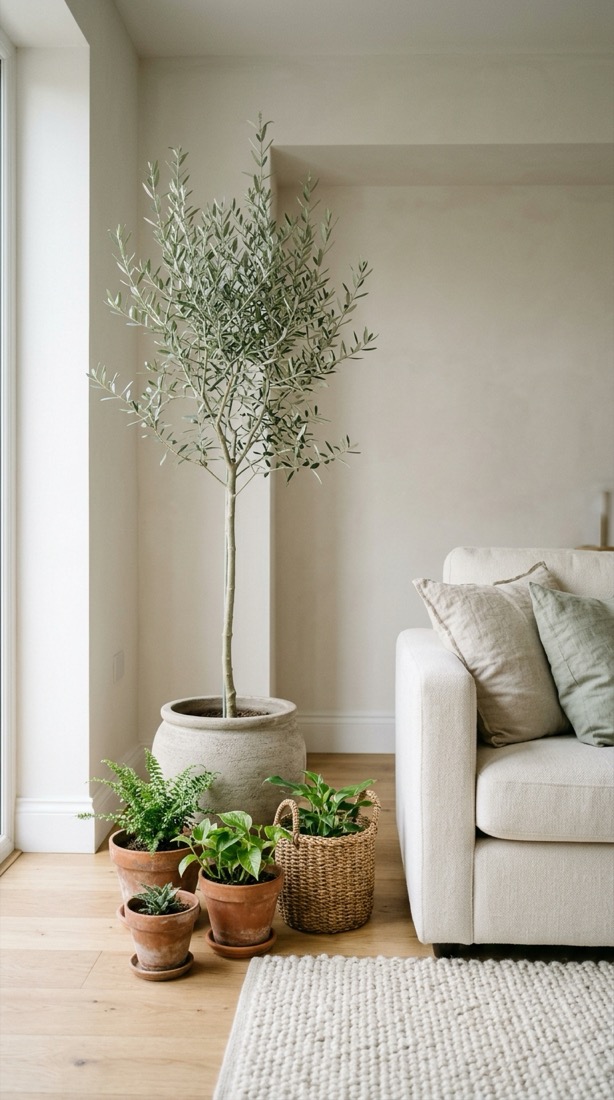
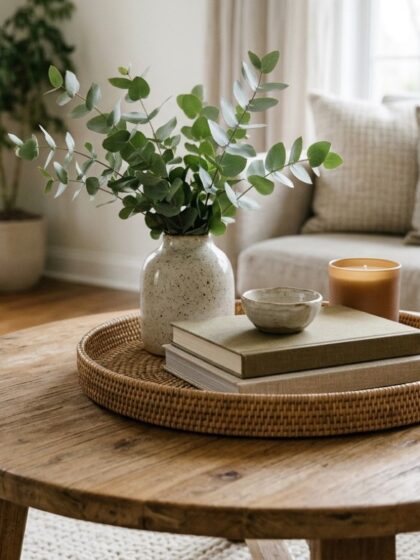
Add pillows, a throw, a plant or two and a few books. These finishing touches make the room feel lived in and personal. See our guide on how to decorate a coffee table for the styling formula.
The 5 ft faux olive tree adds height and life to an empty corner.
Safety while you decorate
TVs and tall bookcases can tip over. Anchor them to the wall, especially with kids at home. The Anchor It campaign explains how.
How to decorate a living room: quick checklist
Keep this short list handy as you work through the room. It covers how to decorate a living room from the first measurement to the last pillow.
- Decide how you use the room.
- Measure and plan around one focal point.
- Choose the sofa, then a large rug.
- Pick two or three colors.
- Add chairs and tables within reach of every seat.
- Layer lamps at three heights.
- Hang curtains high and wide.
- Add art, mirrors, textiles, plants and books.
Follow these steps for how to decorate a living room and every decision will build on the last, so the room comes together naturally.
Frequently asked questions
Where do I start when decorating a living room?
Decide how you use the room, measure, plan the layout around a focal point, then choose the sofa and rug first.
What size rug for a living room?
Large enough for the front legs of all the seating to sit on it, often 8 by 10 feet.
How far should a sofa be from the coffee table?
About 18 inches.
How do I make my living room look put together?
Repeat two or three colors, layer lighting, hang curtains high and add art, pillows, throws and plants.
Build it step by step
Now you know how to decorate a living room in the right order. Take it one step at a time and the room will come together. For small spaces, see our small living room ideas.