Viking Interior Design: 12 Ways to Bring Norse Style Into Your Home
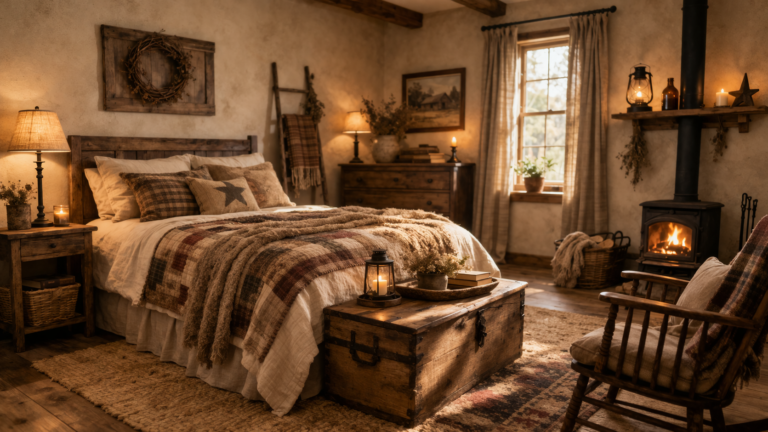
Viking interior design is having a serious moment. The style is raw, warm, and full of character. Think heavy wood beams, iron fixtures, furs, and the feeling that you’re in a Norse longhouse with a fire burning.
You don’t need to live in a Scandinavian forest to pull this off. Here are 12 practical ways to bring Viking-inspired design into any room.
Viking interior design is built on four pillars: natural materials (wood, stone, iron, leather), a dark and warm color palette, strong Norse patterns, and heavy, functional furniture. The goal is a space that feels powerful, ancient, and alive.
The Core Principles of Viking Interior Design
- Natural materials only: Wood, stone, iron, leather, fur, and linen. No plastic or synthetic finishes.
- Dark, warm colors: Deep brown, charcoal, forest green, rust, and ochre. Norse homes were lit by fire — the palette reflects that.
- Heavy, functional furniture: Viking furniture was built to last. Look for pieces with real weight and presence.
- Meaningful decoration: Every item had purpose. Weapons, tools, and hides were both functional and decorative.
- Warmth through texture: Furs, woven textiles, and rough-hewn wood add richness to the space.
12 Viking Interior Design Ideas
1. Start With Heavy, Dark Wood
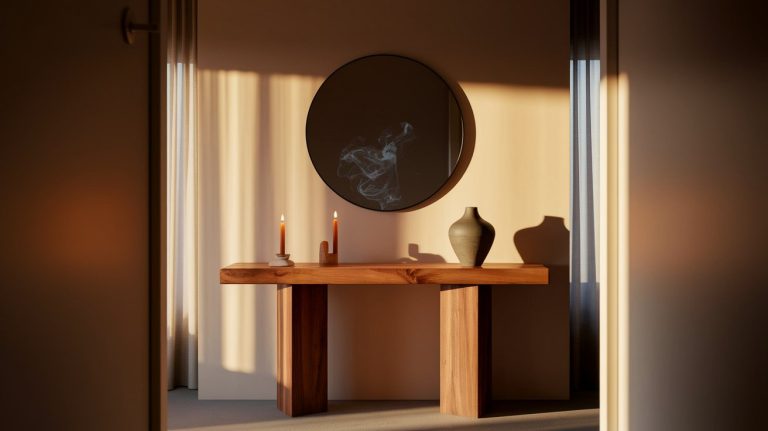
Wood is the foundation of any Viking-inspired room. Look for dark, substantial pieces — tables, bed frames, shelves, ceiling beams. Reclaimed wood is ideal. The rougher and more textured, the better.
Can’t replace furniture? Refinish what you have with a dark walnut or ebony stain. The transformation is dramatic.
2. Add Iron and Blackened Metal
Iron was everywhere in Norse homes. Incorporate it through black iron candle holders, wrought iron wall sconces, iron drawer pulls and door handles, and metal wall art with Viking motifs.
Tip: Replace brass or gold hardware with matte black or oil-rubbed bronze. It shifts the room toward a darker, more Nordic feel immediately.
3. Use Furs and Animal Hides
Nothing says Viking like a fur draped over a chair. You don’t need real hide — high-quality faux fur throws look excellent and cost much less.
- Drape a faux fur throw over a wooden armchair.
- Use a large faux sheepskin rug under the coffee table.
- Layer a fur blanket at the foot of the bed.
4. Incorporate Stone and Brick
Stone walls or a stone fireplace surround immediately anchor a room in Norse aesthetics. If real stone isn’t an option, peel-and-stick stone veneer panels are affordable and look convincing.
A stone or brick fireplace is the single biggest statement piece you can add to a Viking room.
5. Go Dark With the Color Palette
Paint walls in deep, earthy tones. These colors absorb light the way a candlelit longhouse would and create immediate warmth.
- Charcoal or slate grey
- Deep forest green
- Warm espresso brown
- Dark rust or terracotta
- Navy or midnight blue (for a Norse sea-inspired room)
6. Use Candles and Fire-Like Lighting
Viking homes were lit by fire. Recreate that atmosphere with warm-toned lighting: pillar candles in iron holders, Edison bulb pendant lights, lantern-style table lamps. Avoid cool white LEDs. Look for bulbs in the 2700K-3000K range.
7. Create a Weapon Wall
A weapon wall is a classic Viking design element. Decorative axes, swords, and shields made from wood or resin look striking and are far cheaper than the real thing.
Norse symbols — the Vegvisir, Mjolnir, Valknut, and Helm of Awe — also make excellent carved wood or iron wall pieces.
8. Add Woven and Embroidered Textiles
Norse women were master weavers. Bring that craft in through geometric-patterned woven rugs, cushion covers with Norse patterns, linen curtains with block printing, and wool throws in natural colors.
9. Bring In Natural Elements
- Antler chandeliers or wall mounts (real or faux)
- Large driftwood pieces used as shelves or sculpture
- Rope used as curtain ties, railings, or decorative accents
- Potted plants, especially herbs, moss, and evergreens
10. Choose Heavy, Simple Furniture
Viking furniture was functional and built to last. Look for: solid wood construction, minimal ornamentation, strong straight lines, and visible joinery. If it could survive a sea voyage, it fits the aesthetic.
11. Build a Viking-Style Dining Setup
The mead hall was the heart of Viking social life. A long, heavy wooden table with bench seating is the most authentic Viking dining setup you can create. Add iron candelabras and wooden serving pieces for the full longhouse feel.
12. Add Runic Engravings
Custom or decorative rune engravings on wood or stone panels add deep authenticity. You can buy laser-engraved wooden panels online or use a wood-burning tool to carve your own. Common rune choices for home decor: protection, home, strength, journey.
Viking Design at a Glance
- Living room: Heavy wood coffee table, fur throws, iron candle holders, weapon wall, dark walls.
- Bedroom: Solid wood bed frame, faux fur bedding, blackout curtains in dark fabric, Norse symbol wall art.
- Dining room: Long wooden table, bench seating, iron candelabra, antler or rope light fixture.
- Bathroom: Stone-look tiles, wooden shelf, iron fixtures, dark earth-tone towels.
Final Thoughts
Viking interior design rewards patience. The best Norse-inspired rooms are assembled piece by piece, each item chosen for its weight, material, and character.
Start with the big three: dark walls, heavy wood, and iron accents. Everything else builds on that foundation. Save this to your Pinterest home decor board and come back to it as you build your Norse-inspired space!
Frequently Asked Questions
What is Viking interior design called?
It’s sometimes called Nordic rustic or Scandinavian-dark design. It’s related to but distinct from modern Scandinavian minimalism — Viking interiors are darker, heavier, and more ornamental.
What furniture did Vikings have in their homes?
Solid wood furniture: long benches that doubled as beds, heavy wooden tables, storage trunks, and carved chairs for high-status members of the household. All built for durability and function.
Can Viking decor work in a modern home?
Absolutely. The key is a few strong anchor pieces — a heavy wood table, iron fixtures, faux furs — without making the space feel like a museum. Modern-Viking hybrids are popular and very livable.
What colors are used in Viking interior design?
Dark, warm, natural tones: charcoal, forest green, deep brown, rust, and cream. These are balanced by the natural warmth of wood and candlelight.
Related Articles:
- 21 Viking Home Decor Ideas to Bring Nordic Strength & Style Into Your Space
- 29 Modern Rustic Home Decor Ideas You’ll Want to Steal Immediately